LIMOUSINE & TAXI
Passenger-transport regulations become complex quickly, depending on both vehicle design and whether the operation is for-hire or private. FMCSA thresholds hinge on vehicles designed to carry more than 8 passengers (including the driver) for compensation, and more than 15 passengers regardless of compensation. Crossing these limits can significantly change regulatory status, affecting DOT registration, safety requirements, underwriting, and claims exposure.
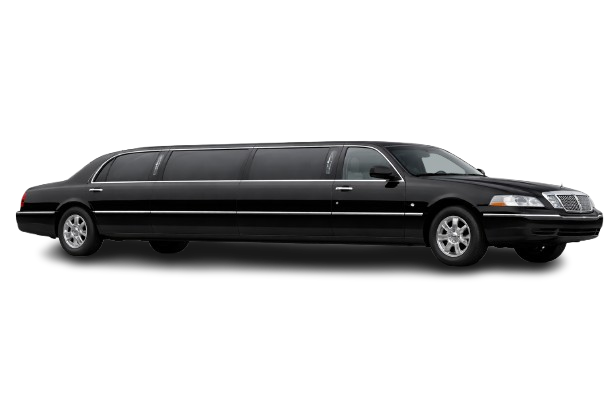
Even when considered "non-DOT regulated" in certain intrastate or private-use situations, the core risk drivers remain the same: vehicle type, driver qualification and training, hiring practices, supervision, and turnover. Passenger-carrying operations inherently carry higher liability.
- Airport & hotel transfers
- Proms, weddings & special events
- Corporate accounts
- Uniformed driver programs
- Passenger assist services
- Bilingual driver services
- For-hire & private-use operations
- Limousines (by passenger capacity)
- Limo conversions
- Sedans
- SUVs
- Mini buses
- Vans
- Special equipment (lifts, ramps)
FMCSA THRESHOLDS
8+ passengers for compensation or 15+ regardless of compensation triggers federal regulatory requirements—a critical line to track.
INHERENT LIABILITY
Passenger-carrying operations inherently carry higher liability, regardless of regulatory classification.
DESIGN & PURPOSE MATTER
Small differences in vehicle design or operational purpose can meaningfully shift regulatory obligations and risk outcomes.
KEELY MANNING
Senior Account Manager · National Safety & Risk