BUS & COACH
Charter buses, transit buses, and shuttle services are evaluated for both daily safety practices and compliance with federal, state, and local passenger-carrier regulations. These operations follow FMCSA passenger-carrier Hours of Service rules, which have remained largely unchanged since 2005 and still include the 10-hour driving limit, 15-hour on-duty window, and 60/70-hour weekly limits. Passenger transportation carries unique exposures, requiring carriers to understand the differences between passenger- and property-carrier rules, including when exemptions like Commercial Zone provisions apply.
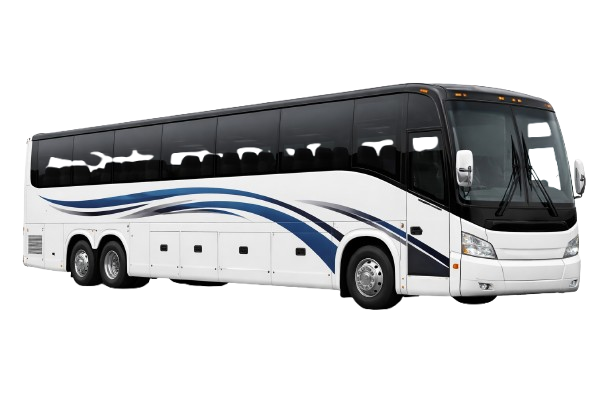
Because these operations involve transporting people, regulators place heightened focus on driver qualification, fatigue management, vehicle condition, and overall operational oversight. NSR evaluates both daily safety practices and full compliance with federal, state, and local passenger-carrier regulations.
- Charter services
- Fixed Route transit
- Shuttle services
- Dial-a-Ride
- Van services
- Transport of youth, handicapped, and elderly
- Other services, cargo
- Coaches
- Full-size buses
- Minibuses
- Vans
- Limousines
- Emergency escape-equipped vehicles
- Special equipment (lifts, ramps)
- Other passenger capacity configurations
- Used vehicles
HOURS OF SERVICE
FMCSA rules: 10-hr driving limit, 15-hr on-duty window, and 60/70-hr weekly limits apply to passenger carriers.
DRIVER QUALIFICATION
Heightened focus on driver screening, medical qualifications, and fatigue management given the public-transport nature.
REGULATORY COMPLIANCE
Carriers must understand distinctions between passenger- and property-carrier rules and applicable exemptions.
KEELY MANNING
Senior Account Manager · National Safety & Risk