CRANE & BOOM TRUCK
OSHA's final rule on Crane Operator Certification, Evaluation, and Documentation took effect in December 2018, with evaluation and documentation requirements added in February 2019. Employers must ensure every crane operator is properly trained, certified or licensed, and formally evaluated on the specific equipment they use—certification alone is not enough. National Safety & Risk's field specialists review crane operations holistically, assessing hazards, operator training, supervision, and management controls.
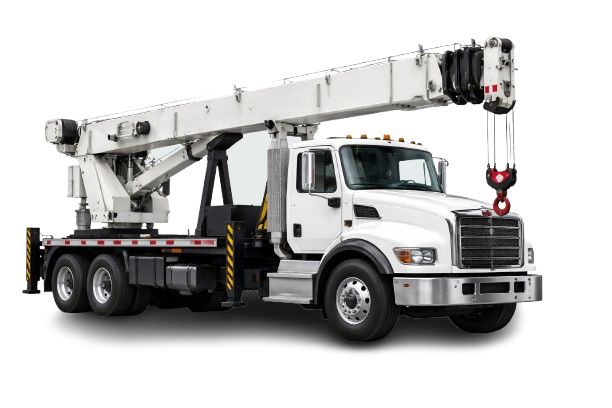
NSR field specialists review crane operations holistically—assessing hazards, operator training, supervision, and management controls to verify required OSHA safety policies are fully in place. Key evaluation factors include crane type, number of units by type, maximum lift height, typical lift weight and value, and whether hazmat lifts are performed.
- Mobile crane operations
- Tower crane operations
- Cherry picker operations
- Crane rental services
- Hazmat lifts
- Type-specific operations by vehicle type
- Job site communications management
- Optional job-site analysis
- Mobile cranes
- Tower cranes
- Cherry pickers
- Tractors
- Trucks
- Pickup trucks
- Step/panel vehicles
- Rental equipment
OSHA CERTIFICATION
Operators must be certified/licensed AND formally evaluated on specific equipment—certification alone is insufficient per the 2018/2019 rules.
HAZMAT LIFT RISK
Lifts involving hazardous materials carry amplified risk requiring additional controls, training, and regulatory awareness.
JOB-SITE ANALYSIS
Underwriting may request an optional job-site analysis to evaluate real-world operating conditions and on-site exposures.
KEELY MANNING
Senior Account Manager · National Safety & Risk