NEMT
Passenger transportation in Non-Emergency Medical Transportation carries elevated operational and liability exposure due to passengers' medical, mobility, cognitive, or behavioral needs. These risks make specialized driver training, patient handling, and continuous supervision essential. Passengers remain under the provider's care, custody, and control until a clear transfer of responsibility occurs—meaning any injury before that point typically falls under the provider's Automobile Liability coverage, where claims can be severe.
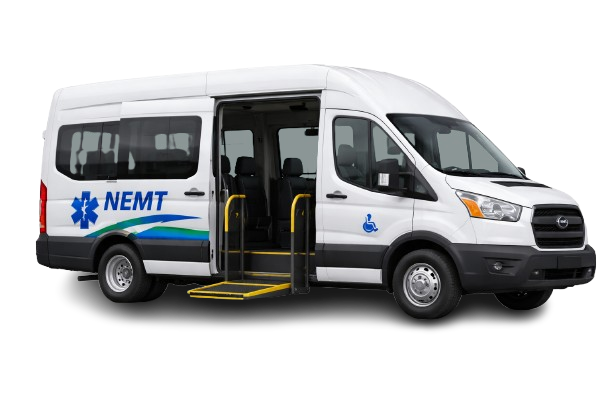
Although many NEMT operations are not federally regulated under FMCSA, each risk must still be evaluated for core loss drivers: vehicle condition, driver qualification and training, supervision, and specialized instruction for transporting individuals with disabilities or medical limitations. Additional requirements—such as HIPAA, state NEMT rules, and healthcare-related standards—may also apply.
- Ambulette services
- Social services transportation
- Municipal programs
- Non-profit operators
- Transit authority programs
- State, county & private payer customers
- Ambulance supplement services
- Mini vans
- Full-size vans
- Sedans
- NEMT converted vehicles
- Ambulance supplement vehicles
- Equipment modifications
- Special equipment (lifts, ramps)
- Wheelchair transport-compliant units
- Gurney patient transport vehicles
CARE, CUSTODY & CONTROL
Passengers remain under the provider's responsibility until a clear transfer occurs—injuries during transport fall under Auto Liability.
SPECIALIZED TRAINING
Drivers must be trained for passengers with medical, mobility, cognitive, or behavioral limitations.
REGULATORY COMPLEXITY
HIPAA, state NEMT rules, and healthcare standards may apply in addition to core motor carrier requirements.
KEELY MANNING
Senior Account Manager · National Safety & Risk